
Plan Your Barndominium Build From the Ground Up
Building a barndominium in Brevard County is exciting. You get the strength of a metal building with the comfort of a home or shop, all on your own land. Central Florida is a great place for these projects because of the open land, wide skies, and flexible layouts people want for homes, storage, and hobby spaces.
Good land clearing and site prep are what keep that excitement from turning into headaches later. If the pad is wrong, the driveway is too tight, or trucks cannot reach the site, you can run into delays, surprise costs, and grading problems that are hard to fix. Here, we will walk through what to think about before you clear: building pad and grading, driveway and truck access, staging and laydown areas, and how clearing ties into slab-on-grade versus pier foundations.
Spring is a popular time to start planning land clearing in Brevard County. The drier months tend to be better for getting heavy equipment on site, shaping drainage, and putting in basic erosion control before the rainy season starts pushing water around your property.
Reading Your Brevard County Property Before Clearing
Before any machine touches the ground, take time to really read your land. In Brevard County, we often see:
- Sandy soils that can rut and shift if not compacted correctly
- Low, soggy pockets that hold water after big storms
- Palmetto and oak scrub areas
- Pine stands, scattered hardwoods, and possible wetlands
A site walk with your builder and a land clearing contractor is one of the most helpful early steps. During that walk, you can point out the area you want for the barndominium, and we can look for natural drainage paths, any protected trees, and spots that stay damp or soft underfoot.
Key decisions you should make before clearing include:
- Barndominium footprint and overall size
- Orientation for sun and wind, which affects shade and comfort
- Future shop, garage, or RV parking areas
- Where utilities will run in and out of the site
Those choices decide how much clearing you really need, what trees or buffers you might want to keep, and how the building pad, drive, and turnaround should fit together.
Pad, Grade, Driveways, and Staging for Metal Barndominiums
Metal buildings need a strong, even base. A pad that is too soft, too low, or not shaped for drainage can lead to slab settlement, cracking, or water ponding against the walls. For Brevard County, with its heavy rain and sandy soil, that means:
- Uniform compaction under the building footprint
- Pad elevation high enough above surrounding grade
- Slopes that send water away from the building, not toward it
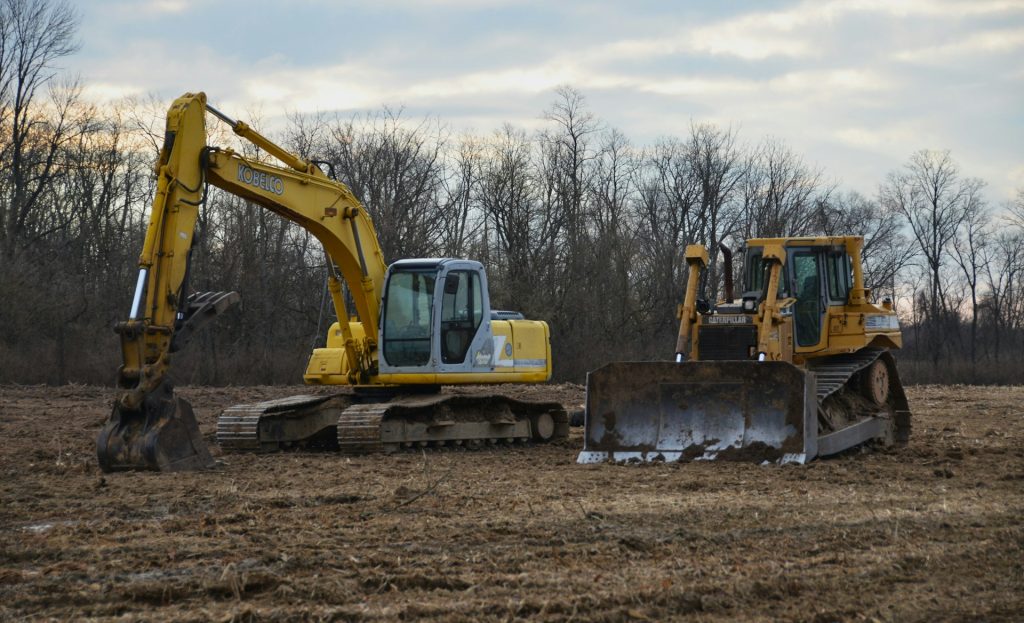
Land clearing sets the stage for this. In pad areas, we focus on removing roots and stumps, stripping out organic layers, and rough grading so your builder or concrete crew can bring in fill, compact it, and set forms. Forestry mulching is great for yard and buffer areas because it grinds vegetation into mulch on the spot. That mulch helps reduce erosion, cuts down on bare soil, and avoids big burn piles.
Around the pad zone itself, traditional clearing and grubbing usually work better. By physically removing stumps and major root systems, we help reduce the risk of the ground sinking under your slab over time. We also coordinate with your engineer’s pad plan, paying attention to:
- Exact building footprint and any overhangs
- Pad height in relation to nearby low spots or flood concerns
- Keeping heavy equipment off finished pad areas once they are built up and prepped
At the same time, driveway and turnaround planning needs to happen early. Concrete trucks, long steel delivery trucks, and cranes need wide, stable access right up to the building pad. During land clearing in Brevard County, we can rough in that path by:
- Clearing trees and brush along the drive route
- Removing stumps that could break through or shift under truck loads
- Creating a hammerhead or turnaround big enough for large trucks
A temporary or permanent construction entrance with compacted aggregate often helps keep trucks from sinking into sandy soil and cuts down on mud tracking onto nearby roads.
You also need a staging or laydown area. This is a clear, level zone where the metal frame, trusses, roof and wall panels, and other materials can be unloaded and stored. When we plan this during clearing, we aim to:
- Give forklifts or telehandlers room to unload long steel pieces
- Keep materials out of low, wet parts of the property
- Set up an easy flow from driveway to laydown-area to building pad
Forestry mulching is often a good fit around staging zones. The mulch layer helps with traction and reduces mud and erosion, while still allowing you to reshape the yard or add landscaping later. On past barndominium projects in Brevard County, having a dedicated laydown zone has helped crews erect steel faster because materials were already in the right place and not stuck in soggy corners of the lot.
Clearing for Slab-on-Grade vs. Pier Foundations
Your foundation choice directly affects how we clear. Slab-on-grade barndominiums need a very clean, well-prepped pad. That means:
- Full stump and root removal in and right around the slab area
- Stripping organics so only compactable soil and fill remain
- Grading so water flows away from the building, not toward it
If any large roots or stumps are left under a slab, they can rot and create voids that lead to cracks or settlement. Proper clearing and grading at the start can help avoid those problems and reduce ponding water around the structure after heavy rain.
Pier or post-supported barndominiums are different. The building weight is carried on columns set on individual piers or posts. Clearing can be more targeted, with:
- Focused removal where each column or pier will be
- The option to preserve more surrounding vegetation for a natural look
- Forestry mulching between pier lines and along access paths
Even with piers, it is important that no pier ends up on top of a hidden stump. We work with your builder or engineer to mark building corners and pier zones before we start, then time the clearing so augering or pier work can begin shortly after we finish.
Forestry Mulching, Permits, and Common Questions
Forestry mulching uses a single machine to cut and grind brush, small trees, and surface vegetation into mulch right where it stands. In Brevard County, this approach offers several benefits:
- Less bare soil exposed to sudden summer storms
- Fewer burn piles and less hauling off-site
- Faster creation of access trails for surveys and soil testing
Traditional clearing and grubbing still has its place, especially for large trees, heavy root systems in pad and driveway areas, and any location that needs clean soil ready for compaction. Many barndominium sites end up with a blended approach: forestry mulching for the outer acreage and buffers, and traditional clearing where the pad, driveway, and turnarounds will go.
Permits are another piece to think about with land clearing in Brevard County. Simple brush clearing on a small area may not need the same approvals as large-scale tree removal or work close to wetlands or protected areas. Rules can change between areas and neighborhoods, so working with a local land clearing company helps reduce the risk of doing work that needs a permit you do not have.
Timing also matters. Many owners plan clearing and rough grading during drier months in spring, then finish foundations and other work as the schedule allows. A typical sequence looks like this:
- Initial site visit and rough estimate
- Coordination with builder and surveyor on pad location and elevation
- Clearing, grubbing, and forestry mulching where needed
- Rough driveway and staging layout before heavy deliveries begin
Local experience helps keep inspections, utility access, and follow-on trades moving smoothly.
Here are some quick answers to common questions:
What does land clearing include?
Land clearing often includes cutting and removing trees and brush, removing or grinding stumps, selective clearing around the build area, rough grading, and either hauling or mulching debris. Site preparation can also cover basic drainage shaping, driveway clearing, and getting areas ready for material staging.
What is forestry mulching and how does it work?
A specialized machine moves through the property, grinding brush, small trees, and vegetation into mulch as it goes. The mulch stays on the ground, so there are no large brush piles. This keeps soil disturbance lower and often gives surveyors and builders quicker access.
How much does land clearing cost in Central Florida?
Costs depend on many things, like size of the area, thickness of trees and brush, number of large stumps, type of equipment needed, and how much grading or debris handling is required. For barndominiums, factors like driveway length, pad size, access for large equipment, and whether we use forestry mulching, traditional clearing, or a mix all play a part.
Do I need a permit for land clearing?
Permit needs depend on where the property is, how much land will be cleared, and how close the work is to wetlands or protected features. A local land clearing company can help you understand when you may need county or environmental approvals before starting.
How long does a clearing project take?
Small barndominium homesites can sometimes be cleared in a day or two, while larger tracts, long driveways, or more complex grading can take several days or longer. Weather, soil conditions, vegetation thickness, access for machines, and whether you are adding driveway, staging areas, and pad prep at the same time all affect the schedule.
By planning ahead and working with local pros who understand Central Florida soil and vegetation, you can set your barndominium up for a stable pad, solid access, and a smoother build from the very first day on site.
Get Started With Your Project Today
If you are ready to clear your property and move forward with construction or improvements, we are here to handle the hard work for you. At Palm State Clear Cut, we provide precise, efficient land clearing in Brevard County tailored to your site and timeline. Our team will walk your property with you, explain your best options, and deliver a clean, build-ready result. Reach out today so we can schedule your on-site review and get your project underway.