
Planning Your Land Clearing Timeline Before Costs Climb
Land clearing in Brevard County looks simple from the street, but timing and planning make a huge difference. As spring storms start to show up more often and the wet season gets closer, projects that are not planned well can drag out and become more expensive. A little upfront work on schedule, access, and scope can keep your build on track.
Most property owners want straight answers. How long will land clearing in Brevard County take? What makes one lot faster or slower than another? What pushes the price up, and what helps keep it under control? They also want to know how to avoid surprise change orders halfway through the job.
We work in Central Florida every day, so we see these issues up close. Our team at Palm State Clear Cut deals with local soils, thick palmettos, pine and oak stands, and the permitting hurdles that come with them. The better you understand how the process works, the smoother your project will go.
What Is Usually Included in Professional Land Clearing
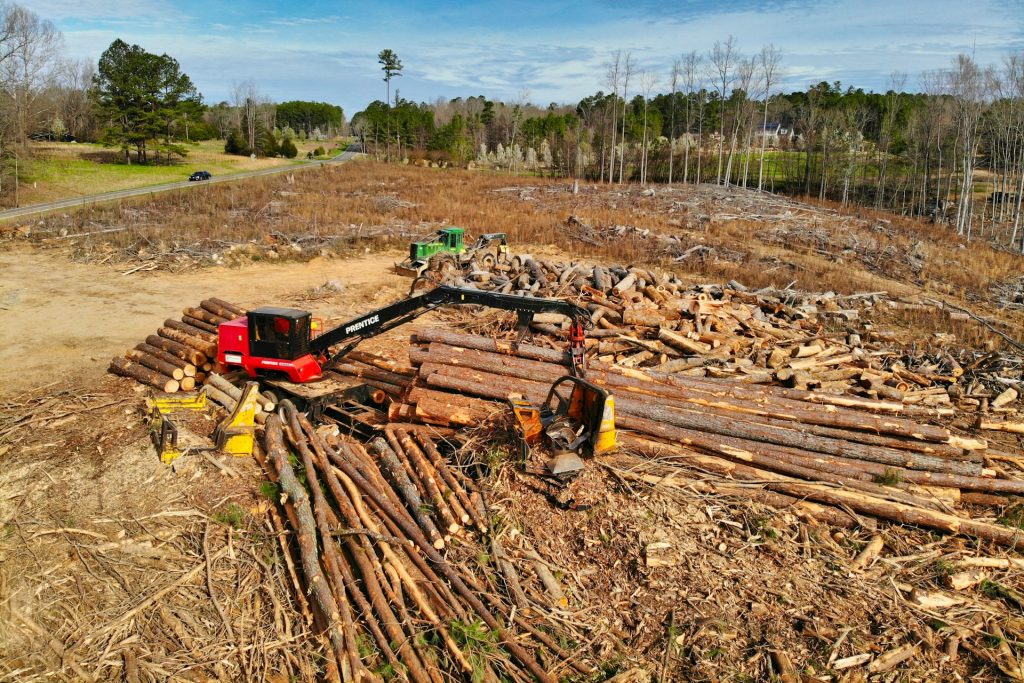
When most people say they want a lot cleared, they are thinking about a full site prep, but land clearing has a specific scope. For residential and commercial jobs, standard clearing usually covers:
- Cutting and removing brush and small trees
- Taking down larger trees that are marked for removal
- Handling stumps by grinding, cutting low, or removing as agreed
- Managing vegetation so it will not spring right back in a few weeks
- Rough grading to smooth ruts and leave a workable surface
- Piling, mulching, or otherwise handling debris on-site
There are also items that are not usually included unless they are clearly added to the quote. These often include:
- Hauling away large amounts of debris or mulch
- Underground utility work or trenching
- Bringing in fill dirt or base material
- Final fine grading for sod, pavers, or concrete
- Stormwater structures or detailed drainage work
A typical process looks like this from start to finish:
First, we walk the site and look at access. We note low areas, soft ground, and hazards. Next, we flag structures, property lines, and any trees you want to keep. Then we bring in the right equipment for the site and start clearing. As vegetation comes out, we handle stumps as agreed and shape the ground with rough grading. At the end, we do a walkthrough with you to confirm the scope is complete and talk about next steps.
How Lot Size, Conditions, and Season Affect Duration and Cost Drivers
Lot size is important, but it is not the only thing that affects the timeline for land clearing in Brevard County.
On small neighborhood lots around a quarter to a half acre, a lightly wooded parcel with scattered trees and thin brush may take about one to two working days. Add thick palmettos, dense underbrush, and a handful of medium pines or oaks, and that same lot could stretch to three or four days.
For one- to five-acre home sites, we often see a three- to seven-day range. Key factors include:
- How many large trees need to come out
- How thick the undergrowth is
- Whether we can use forestry mulching instead of full clearing and hauling
- How far equipment has to travel across the site each day
On larger tracts and commercial sites, the work can run several weeks. These projects can involve phasing around other trades, working with surveyors, and waiting for silt fencing or other controls to be in place before heavy work begins.
Two one-acre properties can be very different. A wooded acre near Palm Bay with decent access and firmer ground can often move quickly with forestry mulching for most areas. An overgrown infill lot in Cocoa with old trash piles, a narrow entrance, and soft sandy spots can slow production even though the acreage is similar.
Vegetation type and density are big cost and time drivers. Thick palmettos and scrub take steady time but are usually handled with mulching. Mature pines and oaks require careful felling, bigger equipment, and more effort on stump handling. Root systems and stump size have a direct impact on machine hours.
Access and logistics matter too. Tight driveways, close neighbors, and long distances to suitable disposal sites can all slow things down. Soft sandy soils can limit where heavy machines can safely travel, which affects how much can be done each day.
Disposal choices also change both cost and schedule:
- Leaving mulch in place for erosion control is usually the fastest
- Windrowing debris in long rows for later handling keeps things moving but needs space
- Burning, where allowed and properly managed, requires setup and monitoring time
- Hauling off to an approved facility adds loading and trucking time
Hidden site features are another driver. Wetlands, low spots, old fence lines buried in vines, old concrete slabs, and trash piles can all add labor and equipment time if they are not identified before the work starts.
Seasonal swings in Brevard County play a real role. Spring and early summer often bring a rush of projects trying to get cleared before the strongest storms and before schedules fill up. Planning your clearing earlier can give you better date options and helps reduce the chance of delays as the wet season ramps up.
Forestry Mulching, Wet-Season Impacts, and Change Order Traps
Forestry mulching is a popular method for many local properties. A single machine cuts and grinds brush and trees into mulch right on the ground, often in one pass. There are no large burn piles and much less soil disturbance compared to pushing everything into heaps with a dozer.
Homeowners and small landowners appreciate that forestry mulching usually leads to:
- Fewer deep ruts and less damage to the soil surface
- Faster cleanup with no huge piles to burn or haul away
- An instant mulch layer that helps control erosion and dust
- Organic material staying on-site, which can help the soil over time
Traditional clearing can be a better fit when there are many larger trees, when you need full stump and root removal for building pads, or when the plan calls for a very clean site with most debris hauled off.
Locally, forestry mulching often works well for:
- Clearing driveways and access lanes
- Cutting trails and paths
- Underbrushing around existing trees
- Preparing future home sites that will sit for a season before full construction
The wet season in Central Florida brings its own challenges. Saturated soils can cause machines to get stuck and can damage the ground if work is forced in bad conditions. Nearby wetlands and drainage features need to be protected, and silt control may need extra attention.
Rain affects both duration and cost in several ways. Work can slow or stop, schedules can shift, and extra time may be needed to stabilize access routes. Rushing work in mud often leads to deep ruts and compaction that then require more grading later.
There are smart ways to protect your schedule:
- Try to schedule heavier clearing before the wettest months
- Use tracked equipment that spreads out weight
- Plan for temporary access mats in softer areas
- Get silt fencing or basic erosion control in place early
A half-acre lot cleared on dry ground in April will usually go much smoother than the same lot started in late June with steady afternoon rain and saturated soil. The scope might be identical, but the conditions are not.
To avoid costly change orders and delays, it helps to start with a detailed written scope. That scope should spell out:
- Which trees will stay and which will go
- How stumps are to be handled
- What the word “cleared” means for your project
- Your preference on mulch left on-site versus debris hauled away
A thorough site walk with your contractor is just as important. Together you can flag access routes, locate visible utilities, note wet or soft zones, and point out any trash, old slabs, or likely buried obstacles.
Permits and approvals are another area that needs clear communication. Someone has to take ownership for any needed county permits, HOA approvals, or environmental reviews. Sorting that out before work starts keeps crews from sitting while paperwork catches up.
Weather flexibility should be built into the plan. Allow for rain days, set a realistic start window instead of a single firm date, and talk through how schedule changes will be shared if storms appear.
FAQ About Land Clearing in Brevard County
What does land clearing include? For most projects, land clearing covers cutting and removing brush and trees, piling or mulching vegetation, doing basic rough grading, and getting the site ready for the next steps in construction. Residential jobs often focus on opening up space for a home, driveway, and yard. Commercial jobs may include wider travel lanes, bigger cleared pads, and more structured debris handling. We match the scope to how the land will be used next.
What is forestry mulching and how does it work? Forestry mulching uses specialized equipment that grinds standing vegetation into a blanket of mulch at ground level in a single pass. In Brevard County, it is especially useful for controlling palmettos and thick underbrush, improving access, reducing fire risk from tall, dry vegetation, and doing it all while avoiding major soil disruption.
How much does land clearing cost? Costs vary by lot type, vegetation, access, and disposal choice. Smaller residential lots, one- to five-acre home sites, and larger tracts each fall into very different ranges. The thickness of growth and how debris is handled are major drivers. That is why an on-site visit is so important. Local experience helps us estimate time and equipment needs much more accurately than looking at a map.
Do I need a permit for land clearing? In Brevard County, permits or reviews are often tied to things like tree removal rules, potential impacts to wetlands, and the size or type of project, especially for commercial sites. A local contractor can explain typical requirements and work with your surveyor, engineer, or building department contacts when needed.
How long does a clearing project take? Many light residential lots can be cleared in about a day, while thicker or more complex properties might take several days. Multi-acre or commercial sites can stretch into weeks, especially when you factor in equipment mobilization and any required inspections. Weather, access, and how debris is handled all play a big part in the true start-to-finish duration of land clearing in Brevard County.
Get Started With Your Project Today
If you are ready to clear and prepare your property the right way, we are here to help you plan every step. At Palm State Clear Cut, we use professional equipment and careful planning so your project stays on schedule and within scope. Learn more about our approach to land clearing in Brevard County and see how we can tailor our services to your goals. Reach out today so we can review your site, discuss your timeline, and get your project moving.