
Your Central Florida Lot, Ready to Build Faster
Turning a raw Central Florida lot into a build-ready site is all about having a clear plan. Palmettos, scrub, uneven ground, soggy corners, and random high spots can all slow your build if they are not handled in the right order. When you treat land clearing and grading as a step-by-step process, you avoid delays, surprise costs, and failed inspections.
In our hot, rainy climate, skipping steps can mean trucks getting stuck in summer storms, sandy pads that settle, or drainage that sends water toward your slab instead of away from it. A good plan takes you from survey and utility locates to rough grade, driveway base, and final inspection, with fewer headaches. At Palm State Clear Cut, we work across Central Florida every day, so we understand local soil, county rules, and seasonal patterns that affect land clearing services.
You are going to see how we think through your lot from the first survey flag to a stable pad that is ready for foundation work. Along the way, we will talk about common Central Florida problems like wet-season access, sugar sand, and managing fill so you are not paying twice for dirt.
From Raw Lot to Clear Plan: Survey, Access, and Utilities
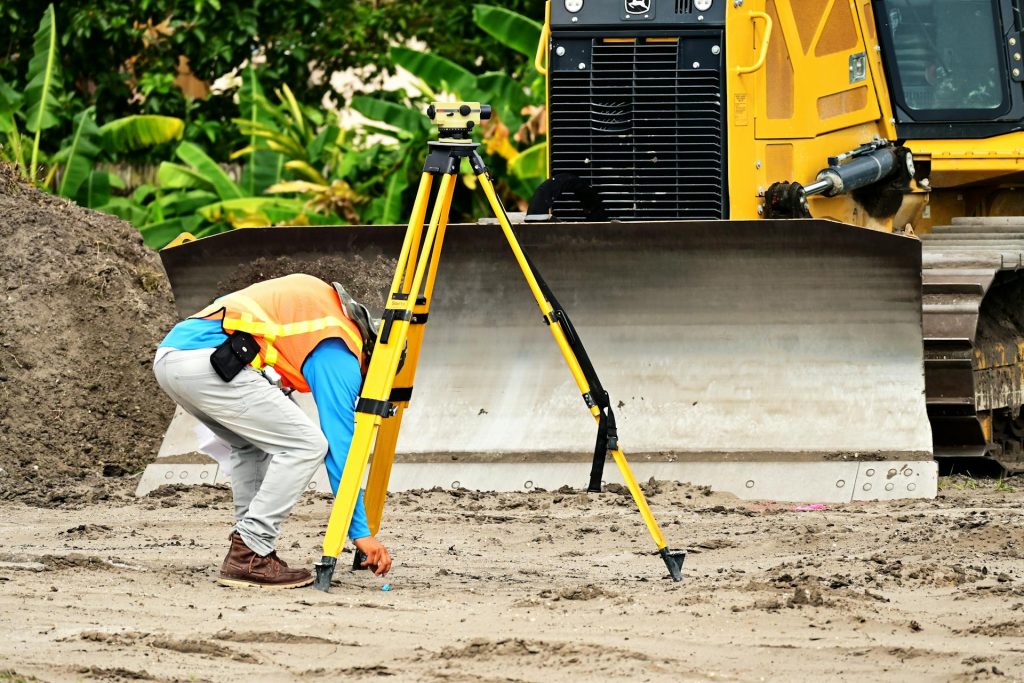
One of the smartest things any property owner can do is start with a clear plan before the first tree comes down. Many lots around Orlando and the rest of Central Florida start as wooded or brushy 1-acre parcels, with hidden low spots or old lines in the ground. When there is a solid plan up front, we avoid tearing something out, putting it back, then tearing it out again.
A current survey is the base of that plan. Two types matter most:
- Boundary survey, so we know property lines, road frontage, and setbacks
- Topographic survey, so we know elevations, low pockets, and high spots
From that, we can see:
- Easements
- Possible wetlands or protected areas
- Where the house, barn, or commercial pad should sit
Before we move equipment, we also handle 811 and, when needed, private utility locates. Marked utilities help us clear and remove roots without clipping underground electric, fiber, water, septic, or irrigation. This saves time and keeps the whole project from stopping for repairs.
Next, we plan site access. In Central Florida’s wet season, access can make or break a schedule. We look at:
- Where a temporary construction entrance should go
- How to route heavy machines so they do not get stuck or rut up soft areas
- How to avoid crossing the future driveway or final yard more than needed
Permits, HOA approvals, and city or county rules also matter early. Some areas limit tree removal or clearing size, and some require certain trees or buffers to stay. Getting those details sorted before clearing keeps inspections and building timelines moving.
Choosing the Right Clearing Method for Your Lot
Once we know the boundaries, utilities, and access, we pick the best clearing method for your site. Most Central Florida lots need some mix of forestry mulching and traditional clearing.
Forestry mulching works well when you want selective clearing or better access without turning everything into bare sand. A dedicated mulching machine cuts and grinds brush, palmettos, vines, and smaller trees into mulch right on the ground. This can:
- Leave a layer of mulch that helps reduce erosion
- Open up the lot so you can walk and see it clearly
- Avoid large brush piles that need burning or hauling
Traditional land clearing uses excavators, dozers, and other machines. It is usually the right choice when:
- You need full site prep for a home, barn, or commercial building
- Larger trees, stumps, and roots must be removed for foundations and utilities
- You are cutting in driveways, turnarounds, and building pads
On many Central Florida projects, we blend both. For example, we may mulch the perimeter and underbrush, then excavate big stumps and roots in the building area and driveway line, stacking debris for burning or hauling as allowed.
Local conditions shape everything. During the wet season, we phase work to avoid deep ruts and stuck equipment. With sandy soils, we pay close attention to stump and root removal under future slabs and driveways. If you only scrape the surface, leftover roots can decay and cause settling later, which can lead to cracking or failed inspections.
Managing Sandy Soils, Fill, and Rough Grading
Central Florida soils are their own puzzle. Many lots have sugar sand on top, organic layers in low spots, and sometimes a harder layer below. To build on that, we shape the land and manage fill carefully.
Rough grading is where your lot really starts to look like a build site. We use the survey and building plans to:
- Set a pad elevation that matches the design
- Shape the site so water drains away from the future home or building
- Blend slopes so you do not have standing water around structures
Fill management is a big part of this step. Some lots sit low and need extra fill to bring the pad up. Others have high areas and produce excess native material. We help by:
- Coordinating clean fill delivery when needed
- Spreading and compacting fill in thin, even layers, so it stays firm
- Reusing native material for berms, swales, and future landscape features when it makes sense
Common local pitfalls include:
- Stripping too deep and throwing away valuable topsoil, then paying more for extra fill
- Pushing sand into thick lifts and not compacting it enough, which can lead to ruts and soft spots
- Forgetting about how your grading affects neighbors and road ditches, which can cause runoff complaints
Handled correctly, even a soggy, low-lying parcel can turn into a pad that drains well in afternoon storms. When water moves off the site in a controlled way, everything that comes next, from footers to driveways, goes smoother.
Driveway Base, Wet-Season Durability, and Final Inspection
A solid driveway base or construction entrance is a must on our rainy summer afternoons. Without it, heavy trucks can sink into soft sand or wet topsoil, tearing up your grading and slowing every step of the build.
A typical driveway or entrance base goes in like this:
- Strip organics, roots, and soft topsoil from the drive path
- Shape and compact the subgrade with a gentle slope for drainage
- Add geotextile fabric on soft or wet sections to keep the base from sinking
- Place and compact rock or recycled concrete base in layers until it reaches the planned thickness
As the site gets close to build-ready, we focus on the details that matter for final inspection. That usually includes:
- Checking that pad elevation and slopes match the survey and plans
- Confirming required trees or buffers have been protected
- Making sure erosion control, like silt fence or stabilized access, is in place and working
We also stay in step with your builder and surveyor, so once the lot passes its checks, you can move straight into foundation work without sending machines back in to re-grade. Timing matters with our long hurricane season, so many property owners plan clearing, driveway base, and inspections before the stormiest months to cut down on weather delays.
Central Florida Land Clearing FAQs
What does land clearing include?
For most Central Florida projects, land clearing services cover:
- Tree, brush, and undergrowth removal
- Stump and root handling in build and drive areas
- Debris processing by mulching, stacking, or hauling as allowed
- Rough grading to shape the pad and general site
- Setting up temporary access or construction entrances
The exact scope changes based on whether you are building a home, barn, pasture, or commercial space.
What is forestry mulching and how does it work?
Forestry mulching uses a single machine to cut and grind brush, palmettos, vines, saplings, and smaller trees into mulch on the spot. It leaves a smoother, walkable surface, with mulch acting like a blanket to help hold soil in place. This limits soil disturbance, avoids big brush piles, and often creates fast, clean access for surveyors and builders.
How much does land clearing cost in Central Florida?
Costs depend on several things:
- Acreage and how thick the vegetation is
- Size and number of trees and stumps
- Access conditions, such as soft ground or tight entrances
- Soil type and how much grading or fill is needed
- How debris is handled and whether a driveway base is included
Because every lot is different, on-site assessments give the most accurate estimates.
Do I need a permit for land clearing?
Permit needs vary by county, city, zoning, and lot size. Rules can change if wetlands, protected trees, or special buffers are present. Many property owners work with local building departments or permitting pros, and we can help you understand what questions to ask and what steps to expect.
How long does a clearing project take?
Timelines depend on size and scope. A simple forestry mulching job may take about a day. Multi-acre residential or commercial site prep, with clearing, rough grading, and driveway base, can run several days or more. Weather, wet-season access, permitting status, and grading complexity all play a part in how long the work takes.
Turn Your Central Florida Lot Into a Build-Ready Site
When you break your project into clear steps, the whole process feels easier. Start with a survey and utility locates, plan smart access, choose the right mix of clearing methods, manage sandy soils and fill with care, and build a strong driveway base that can stand up to wet weather. Those pieces add up to a lot that passes inspection and is ready for crews to start building.
At Palm State Clear Cut, we work on Central Florida land every day, dealing with wet seasons, sugar sand, county rules, and everything in between. With a thoughtful plan from the first flag in the ground to final grade, your home, barn, pasture, or commercial project can rise sooner on a stable, well-prepared site that is built to handle our climate.
Get Started With Your Project Today
If you are ready to clear overgrowth, reclaim usable space, and protect your property, our team at Palm State Clear Cut is here to help. Explore our professional land clearing services and see how we tailor each project to your land, timeline, and budget. We will walk your property with you, answer your questions, and provide a clear plan before any work begins. To schedule a consultation or request a quote, simply contact us today.