Make Your Brevard County Home Wildfire-Ready
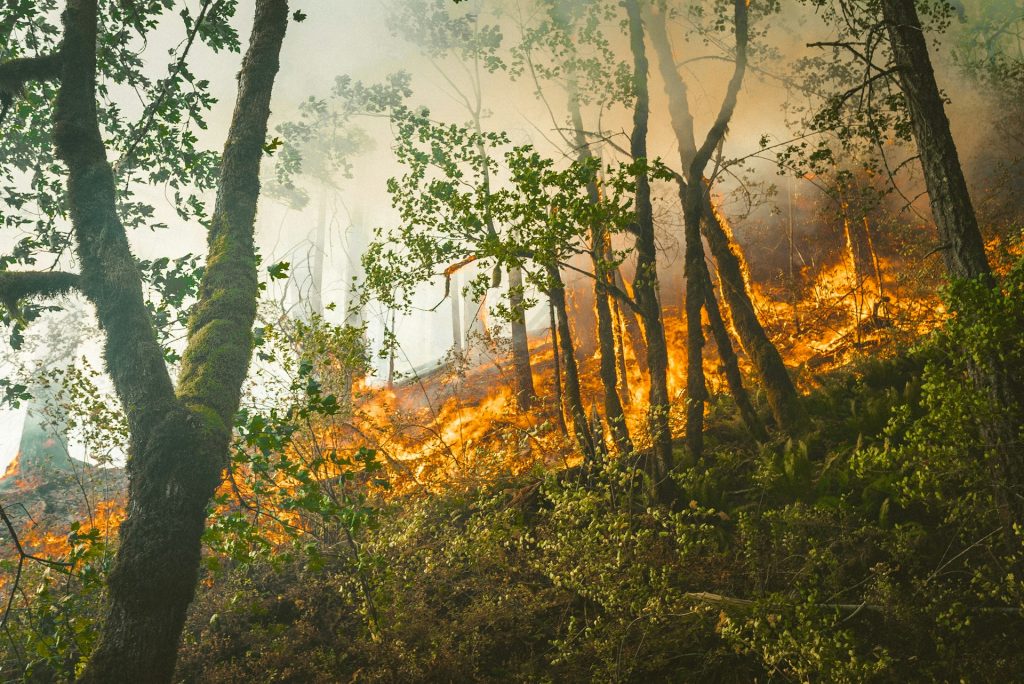
Wildfire risk in Central Florida is changing. Our winters and springs are getting drier, we see more wind events, and drought stretches longer than many people expect. In Brevard County, that means brush fires can move fast through overgrown palmettos, pines, and dry grass, then throw embers toward homes and sheds.
Defensible space is one of the best tools we have to push that risk back. By breaking your property into Zones 0 to 2 and managing vegetation in each zone, you lower the chance of ignition and give firefighters room to defend your home. In this guide, we walk through those zones, show how fuel breaks and access work, lay out a simple maintenance schedule, and touch on local limits like wetland buffers and HOA rules that shape what can be done.
Understanding Wildfire Risk in Brevard County
Across Brevard County, from Palm Bay and West Melbourne to Mims and rural areas, many lots have thick palmettos under pines, vines climbing into tree canopies, and old logging or storm debris hiding under new growth. In a dry spell with wind, that mix can carry fire quickly and send embers ahead of the flames.
Our local risk is shaped by a few things:
- Long dry periods in late winter and spring
- Neighborhoods built close to conservation land, wetlands, and open fields
- Roadside sparks, yard burns that get away, and lightning strikes
As more homes sit next to natural areas, embers can travel into backyards, land on roofs, or drop into piles of leaves. Professional vegetation management in Brevard County helps by:
- Reducing ladder fuels so fire cannot climb from ground to treetops
- Cutting out invasive brush that dries out and ignites easily
- Opening up access so emergency vehicles can reach the back of a property
You do not have to turn your land into a parking lot. The goal is smarter spacing and lower fuel, not bare dirt.
Zone 0 Ember-Resistant Home Hardening
Zone 0 is the first 0 to 5 feet around your house and attached decks. This is the most important zone because embers like to pile here. If they find dry leaves, wood mulch, or gaps into your attic, a small ember can become a house fire.
Key home hardening steps in Zone 0 include:
- Keeping roofs and gutters clear of leaves, pine needles, and palm fronds
- Sealing or screening soffits, vents, and gaps where embers could blow in
- Using rock, shell, or other noncombustible mulch right next to walls
- Moving firewood, spare lumber, and propane tanks away from the siding
For Central Florida landscaping, think low and moist in this zone. Short, well-watered plants spaced apart are better than tall, woody shrubs touching the house. Rock or shell beds break up fuel and still look neat. Just be sure drainage runs away from the foundation so you do not create water problems while keeping plants hydrated.
Zone 1 Lean, Clean, and Green Defensible Space
Zone 1 runs from about 5 to 30 feet out from your home. Here, the goal is to slow a fire that is already on the ground and keep flames from reaching the structure. This is also the main work zone for firefighters, so it needs to be open and safe.
Good Zone 1 practices:
- Keep grass short and remove piles of branches and yard waste
- Space shrubs so they are separate, not one long hedge of fuel
- Break up tall plantings with open areas, walkways, and rock beds
For common Florida trees:
- Pines and oaks should have branches trimmed up from the ground so fire is less likely to climb
- Space crowns so they do not all touch and create a solid canopy
- Avoid planting palms and dense shrubs right under larger trees, since that creates a ladder for flames
Forestry mulching is very useful in this zone. Instead of scraping the ground bare, a mulching machine grinds thick underbrush, palmettos, and saplings into a thin, even layer on the soil. That:
- Reduces cluttered, tall fuel
- Helps with erosion compared to bare soil
- Looks more finished, which matters in neighborhoods and under HOA rules
Zone 2 Strategic Fuel Breaks, Access, and Local Limits
Zone 2 is roughly 30 to 100 or more feet away from the home, depending on your lot size. On larger or rural properties in Brevard County, this is where we create broader fuel breaks and access lanes.
There are two main clearing approaches:
Forestry mulching:
- Selective, keeps the trees you like while removing thick brush
- Low impact, since one machine cuts and mulches in place
- Cuts down on hauling debris off-site
Traditional clearing:
- Better when you need open space for building pads or barns
- Useful for driveways, septic areas, and utility access
- Often paired with grading for future construction
Access is just as important as fuel breaks. Wide, stable paths let:
- Fire trucks and equipment reach outbuildings or the back of the property
- Crews turn around safely without backing into trees
- Service trucks use the same routes for normal work
In Brevard County, we also work around wetlands, drainage features, and conservation edges. St. Johns River Water Management District rules, county codes, and conservation easements can restrict how close you can clear to certain areas. Within those limits, we can still:
- Thin underbrush instead of full clearing
- Remove invasive species and ladder fuels
- Use smaller equipment or hand cutting along sensitive edges
If you live in an HOA, there are often rules on plant types, heights, and appearance. We plan defensible space around those rules by:
- Keeping clean lines and tidy mulched areas
- Using rock or shell in key spots while still meeting the look guidelines
- Focusing heavier work in backyard or side yard areas that are less visible from the street
Seasonal Vegetation Management and FAQs
Timing matters for vegetation management in Brevard County. Dry-season wildfire risk is usually highest late winter through spring, while wet-season growth and storm season bring fast regrowth and debris.
A simple yearly rhythm looks like this:
- Winter (Jan, Mar): bigger clearing projects, forestry mulching, tree trimming, and access road work
- Spring (Apr, Jun): fine-tune Zones 0 to 2, clean roofs and gutters, trim back fence lines and around sheds
- Summer (Jul, Sep): mowing and light touch-ups between storms, remove storm-fallen branches and palm fronds
- Fall (Oct, Dec): walk the property again, knock back new sprouts, and use targeted herbicide where needed
Regular vegetation management in Brevard County usually means fewer surprises. When you keep up with it, you avoid heavy regrowth, blocked access, and last-minute emergency cleanup before peak fire days.
Wildfire-ready land clearing FAQs:
What does land clearing include?
Land clearing can cover brush removal, tree felling, cutting or grinding stumps, forestry mulching, site preparation, and managing debris based on your goals. Some projects focus on cleaning around existing structures, while others prepare a whole area for future building.
What is forestry mulching and how does it work?
Forestry mulching uses a single machine to cut and grind brush, saplings, and smaller trees into mulch on the spot. There is no large burn pile and often no need for lots of hauling. The mulch is left as a low layer that helps protect the soil and gives the area a finished look.
How much does land clearing cost in Central Florida?
Costs change from property to property. Things like how thick the vegetation is, how rough the ground is, how easy it is to reach the work area, and what you want done with the debris all matter. On-site visits are the best way to give a clear picture of what is needed.
Do I need a permit for land clearing?
Permits can depend on the size of the area, if there are wetlands or conservation areas nearby, and if the work ties into building plans. Different cities and the county can have their own rules. A good contractor helps you understand when you may need permits, environmental review, or HOA approval.
How long does a clearing project take?
Some small lot cleanups can be done in a day. Larger or more complex properties may take several days or be done in phases. Weather, access, thickness of brush, and coordination with surveyors or builders can all change the schedule.
At Palm State Clear Cut, we start with a walk-through to map out Zones 0 to 2, spot wetland buffers and HOA limits, and find the highest risk areas around your home and access routes. From there, we plan forestry mulching, selective tree work, targeted herbicide for problem regrowth, and final cleanup so you have clearer, safer, and more usable land.
Get Started With Your Project Today
If you are ready to reclaim overgrown areas or prepare land for a new build, we are here to help with safe, efficient solutions tailored to your property. At Palm State Clear Cut, our team combines local experience with the right equipment to deliver reliable results that last. Learn how our professional vegetation management in Brevard County can protect your land value and reduce future maintenance headaches. Reach out today so we can review your goals, walk your property, and put together a clear plan for moving forward.