Heavy afternoon storms are just part of life in Central Florida. When those storms hit, the water needs a clear path to move off your property. If it cannot drain, it sits in low spots, soaks your yard, and slowly creeps toward your home, barn, or shop.
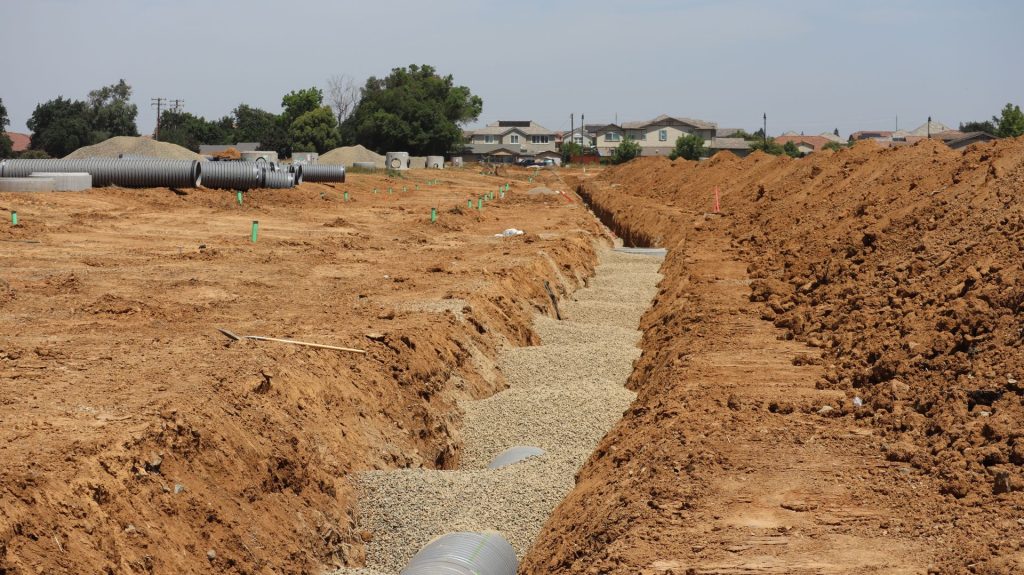
Ground clearing is one of the most effective ways to help that water move where it should. By opening clogged areas, cleaning out thick brush, and shaping the land, you can protect your property from standing water and flood damage. This guide walks through how smart ground clearing supports drainage, what methods work well in our area, and what to expect from a professional crew that knows Central Florida soil and storm patterns.
Why Ground Clearing Matters for Drainage and Flood Control
Central Florida lots often have a mix of sand, clay pockets, and low-lying areas. Over time, these spots collect:
- Overgrown brush and vines
- Invasive trees and saplings
- Fallen branches and years of debris
- Silt and leaves in ditches and swales
All of this growth and buildup blocks natural water paths like shallow swales, small ditches, and culverts. After a heavy rain, water that should move through those paths gets trapped. That is when you see:
- Standing water near foundations and slabs
- Soggy areas around septic systems and drain fields
- Pooled water beside driveways and parking areas
- Wet spots around sheds, pole barns, and animal pens
Proper ground clearing opens those routes again so surface water can travel away from structures. When water drains correctly, you help protect the long-term health of your property. You see less soil washing away, fewer muddy ruts, and less stress on your turf and landscaping.
Good drainage also means fewer mosquito breeding areas, which matters a lot after days of steady summer rain. With the overgrowth cleared, it is easier to reach the back corners of your land for future improvements like fencing, extra parking, or new buildings.
Smart Clearing Methods That Protect Your Soil and Budget
Not all land clearing is the same. Two common approaches are traditional clearing and forestry mulching. Both can support drainage when planned well, but they work very differently.
Traditional ground clearing often uses machines like bulldozers or excavators to push, pull, and stack vegetation. Debris may be piled for burning or hauled away. This can open areas quickly, but it can also leave bare soil. Bare soil can:
- Erode during heavy rains
- Wash into ditches and culverts
- Create new low spots that collect water
Forestry mulching works another way. A specialized machine grinds trees, brush, and thick vegetation into mulch right on the spot. The mulch stays on the ground as a natural blanket. That layer:
- Stabilizes the soil surface
- Helps slow erosion while water still drains through
- Reduces muddy areas and keeps roots covered
- Prevents big brush piles that block water flow
In many Central Florida yards, pastures, and easements, selective clearing is the best option. Instead of clearing everything, a crew can:
- Keep healthy shade trees
- Remove thick underbrush that traps moisture
- Clear out invasive plants that choke ditches
- Open key access paths to low-lying areas
This kind of targeted clearing improves drainage without stripping the land bare.
From Wet Yard to Well-Drained Lot
Every property is a little different, but a thoughtful clearing process usually follows the same basic steps.
First, there is a site walk-through. A good crew looks at how water currently moves across the land and where it stays too long. They will note:
- Low spots and soft ground
- Existing swales, ditches, and culverts
- Areas where vegetation clearly blocks flow
Utilities and any protected areas are marked so they stay safe. Then the right equipment is chosen for the job, whether that is a forestry mulcher, skid steer, or excavator.
Next comes clearing. Crews remove brush, small trees, and built-up debris that keep water from moving as it should. In many cases, this is paired with forestry mulching so the material stays on-site as a stable layer.
Where needed, subtle grading adjustments are made. This is not full-scale re-shaping of the property, but small shifts that help guide water in the right direction. That might mean:
- Re-opening an old swale that used to drain well
- Cleaning and shaping a shallow ditch so it ties into an approved outfall
- Smoothing rutted areas that hold water beside a driveway or barn
The outcome can be dramatic. A wet area around a pole barn that once stayed soft for days can drain more quickly. A small agricultural property that turned into a swamp after the rainy season can become usable pasture again once the underbrush is cleared and surface water has a clear path to leave.
Planning Ahead for Summer Storms and Hurricane Season
Ground clearing for drainage works best when you stay ahead of the weather. In Central Florida, summer brings daily showers, and late summer into fall brings stronger storm systems and hurricanes.
Preparing early, often in late spring through early summer, gives time to:
- Identify and open clogged drainage paths
- Clear heavy brush before storms drop branches into ditches
- Strengthen access roads and paths to barns and shops
- Reduce the chance of washouts and deep ruts
Clearing problem areas before peak rainfall helps keep low spots from turning into surprise ponds that trap vehicles or block emergency access.
For many property owners, it makes sense to phase the work. You might focus first on:
- Zones closest to the home
- Areas along existing ditches and swales
- Spaces around barns, shops, or equipment parking
Then, as time and budgets allow, you move to back corners, fence lines, or wooded sections that still affect how water moves across the property.
What Land Clearing Services Typically Include
Ground clearing for better drainage usually covers a mix of vegetation removal and basic shaping of the land surface. Typical service elements can include:
- Brush and undergrowth removal
- Selective tree removal when needed for access or drainage
- Handling of stumps, either grinding or cutting flush
- Mulching or consolidating debris on-site
- Rough grading to improve surface flow where appropriate
For residential yards, work often centers on opening up soggy areas, improving access to the back of the property, and helping protect foundations, patios, and pool decks. On small farms or larger lots, clearing can focus on:
- Pastures and turn-out areas
- Paths to ponds, culverts, and low fields
- Utility easements or fence lines
Commercial sites may need open access for service vehicles, dry parking areas, and clear drainage routes along property edges.
There are also limits to what is included without a separate plan. Full engineering design, new culvert installation, or major drainage system redesign may require other contractors or county approvals. A land clearing crew focused on drainage works with the natural lay of the property and existing approved outlets, not full-scale stormwater construction.
Central Florida Land Clearing FAQs
What does land clearing include?
Ground clearing usually includes removing unwanted vegetation, brush, and selected trees, dealing with stumps, and either mulching material on-site or consolidating it. Basic grading can be part of the work to help with surface drainage. The scope can be customized to focus on goals like opening swales, cleaning around ditches, or improving access to low-lying spots.
What is forestry mulching and how does it work?
Forestry mulching uses a machine that grinds trees, brush, and thick growth into mulch right where it stands. The mulch layer is left on top of the soil as a protective cover. This clears obstructions so water can move more freely, helps reduce erosion, and avoids large brush piles that can later slide into ditches or swales.
How much does land clearing cost in Central Florida?
Costs depend on things like property size, how dense the vegetation is, the type of terrain, how easy it is to get equipment in, and whether debris is mulched on-site or needs to be hauled away. Smaller areas with light brush are usually simpler than multi-acre tracts with heavy growth. A site visit is the best way to understand the scope and get a clear idea of the investment.
Do I need a permit for land clearing?
Permit needs vary by city and county in Central Florida. Rules can change based on the size of the project, tree species, any wetland areas, and whether new drainage work is planned. A professional land clearing company can help you understand local expectations and coordinate with property owners, HOAs, or local officials before any work starts.
How long does a clearing project take?
Timeframes depend on job size and complexity. A small, lightly wooded lot might take a day or two, while larger or heavily overgrown properties can take several days or longer. Weather, access, and any needed permits can affect scheduling, so planning ground clearing before the height of the rainy or hurricane season is a smart move.
When you are ready to turn a wet, frustrating yard into a safer, better-drained property, a local Central Florida partner that understands our soils, storm patterns, and county expectations can make all the difference. Palm State Clear Cut focuses on thoughtful ground clearing that helps water move where it should, so you can use and enjoy more of your land with confidence.
Get Started With Your Project Today
If you are ready to clear your land safely and efficiently, our team is here to help you plan every step. Learn how our professional ground clearing services can prepare your property for construction, landscaping, or future development. At Palm State Clear Cut, we focus on doing the job right the first time so you can move forward with confidence. Reach out through our contact page to schedule a consultation or request a quote.