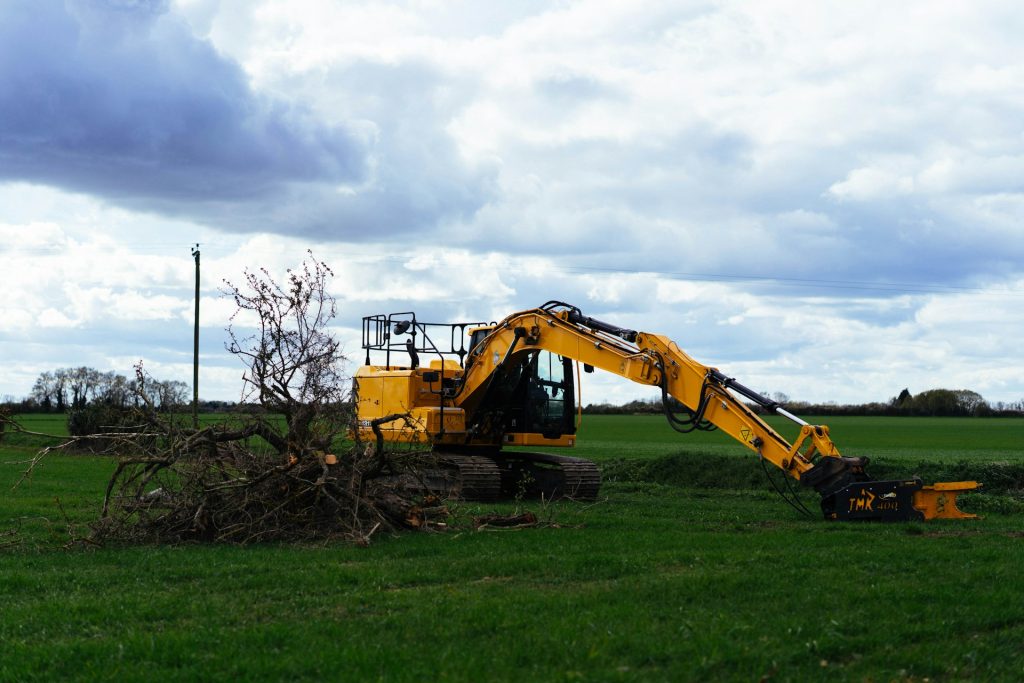
Clearing land before hurricane season in Central Florida is not just about looks. It is about safety, access, and protecting the things you care about when strong winds and heavy rain move through our area.
If you own property around Orlando, Lakeland, Ocala, or nearby communities, you know how fast brush and trees grow once the summer rain starts. The real question is simple: when does it make sense to invest in land clearing services before storms ramp up, and when can you wait? Here, we will walk through storm safety benefits, how hurricanes expose hidden problems, what land clearing actually includes, different methods like forestry mulching, and what a typical project looks like from start to finish in Central Florida.
How Hurricanes Expose Hidden Risks on Uncleared Land
Hurricanes and strong summer storms have a way of showing every weak spot on a property. Areas that seem fine on a dry, calm day can turn into hazards once the wind and rain pick up.
On uncleared or overgrown land, you may see problems like:
- Loose limbs and dead trees that snap in high wind
- Tall brush that hides fallen branches or junk that can become flying debris
- Overgrown fence lines that pull fencing down when heavy limbs fall
- Trees that lean toward sheds, barns, or homes
When branches break or trees uproot, they can damage roofs, siding, windows, fences, gates, or small outbuildings. Thick brush also makes it harder to see and fix damage after the storm.
Water is another big risk. Heavy rain on overgrown land can lead to:
- Clogged swales and drainage ditches choked with roots and brush
- Low spots that hold water because vegetation blocks the natural flow
- Washed-out driveways when water cannot follow a clear path
We see this a lot on rural acreage near wetlands, new construction lots outside city limits, and agricultural tracts with unmanaged fence lines. The land looks green and full, but once the ground is saturated, those same plants can hold water in the wrong places and add weight to already soft soil.
When You Should Clear Land Before Hurricane Season
Not every property needs major clearing before hurricane season, but there are clear signs that it is a smart move.
For residential properties, it often makes sense if:
- You have a larger lot or rural home with trees close to the roof or driveway
- Branches hang near power lines on or near your property
- Your driveway or private road is narrow with brush scraping both sides
- There is thick growth around manufactured homes or guest houses
On agricultural and ranch land, clearing is helpful when:
- Pastures have heavy palmettos and underbrush that trap wind and water
- Fence lines are buried in scrub that can pull down posts when it blows
- Access lanes to pens, barns, or wells are tight and overgrown
For commercial and development sites, pre-season clearing makes sense if:
- You have a vacant lot planned for future work and need safe access now
- Equipment staging areas are choked with brush and volunteer trees
- You want clear emergency routes for trucks, trailers, or service vehicles before peak storm months
If any of these sound familiar, clearing before the peak of hurricane season can improve safety and cut down your stress when you see a storm track headed our way.
How Professional Land Clearing Reduces Storm Damage
Professional land clearing is more than just pushing trees over. It is a planned way to remove risk while still respecting how the land is used.
Typical land clearing services can include:
- Brush and small tree removal in key areas
- Selective clearing around homes, barns, and outbuildings
- Widening or improving access roads and driveways
- Opening up drainage paths so water can move more freely
One method that works very well for storm prep is forestry mulching. With this method, a machine grinds brush and smaller trees into mulch right on the spot. The mulch is left spread across the ground.
For hurricane season, forestry mulching can help by:
- Reducing loose limbs and piles that could blow around
- Leaving a mulch layer that helps control erosion and mud
- Clearing fast without constant hauling traffic in and out
Traditional clearing, like using dozers and then hauling all material off-site, still has its place. It can be a better fit if you are preparing for construction, need a smooth building pad, or have soil conditions that call for more grading. Forestry mulching is great for controlling overgrowth and improving access, while traditional clearing is often used when you are getting ready to build or change the land more deeply.
What a Central Florida Clearing Project Looks Like Step by Step
A well-run clearing project in Central Florida starts with a careful look at your property and your goals.
The first step is usually a site walkthrough and planning session. At this stage, a professional will:
- Look at tree health, slopes, and known wet areas
- Note where homes, barns, and other structures are located
- Talk about how close hurricane season is and what to prioritize first
- Decide which areas need access cleared for vehicles or equipment
After that, the right mix of equipment and methods is chosen. Sometimes forestry mulching alone is enough, especially if the focus is clearing underbrush and small trees. In other cases, a plan might include:
- Selective removal of larger trees that pose a risk
- Rough grading to smooth out ruts or problem spots
- Limited debris hauling if some material should not stay on-site
The project ends with clean-up and finishing touches. That includes cutting or handling stumps in areas where vehicles will drive, smoothing access paths, and making sure the land is in a safer, easier-to-maintain state when storms roll through. The goal is not to strip your property bare, but to remove obvious hazards and improve how your land handles wind and water.
Cost, Timing, and Permit Questions Central Florida Owners Ask
Property owners in our area tend to ask the same practical questions once they start thinking about land clearing services.
Common cost factors include:
- Total acreage or size of the area to be cleared
- How dense the vegetation is and how big the trees are
- Terrain, including slopes and soft or wet ground
- How easy it is to get equipment onto the property
- Whether you want basic rough clearing or full site preparation
Because every property is different, a site visit or clear photos are usually needed for an accurate estimate. Forestry mulching can often be a cost-effective choice for certain types of overgrowth, especially where you want to improve access and reduce fuel for storms without full construction prep.
Timing matters too. Small residential or hobby farm projects might take anywhere from part of a day to several days, depending on size and density. Larger agricultural tracts or commercial sites naturally take longer, especially if grading or debris hauling is involved. Booking work several weeks before the peak of hurricane activity gives more room in the schedule and helps avoid weather delays.
Permits are another common question. You may need approval or an environmental review if:
- You are working near wetlands or conservation areas
- There could be protected plants or wildlife on the land
- Local county or city rules limit clearing in certain zones
It is always a smart idea to check local rules before work starts. A professional contractor can help you understand what applies to your property and point you toward the right local office if special permissions are needed.
FAQ: Land Clearing and Hurricane Season in Central Florida
What does land clearing include?
Land clearing often covers brush removal, small tree clearing, selective removal of larger risk trees, stump management in travel areas, handling of debris, and basic site smoothing or rough grading. There is a difference between rough clearing, which focuses on access and safety, and full site prep, which gets land ready for building pads, driveways, and long-term use.
What is forestry mulching and how does it work?
Forestry mulching uses specialized equipment to grind brush and smaller trees into mulch in a single pass. The mulch is spread across the ground as the machine moves. For hurricane season, this means fewer loose piles, a cleaner look, better erosion control, and a faster process with less hauling.
How much does land clearing cost in Central Florida?
Costs depend on property size, density of growth, finish level, and how far the site is from main service areas. Because of all these variables, a quote usually follows a site visit or review of detailed photos. Forestry mulching can often be more budget-friendly for certain types of overgrowth compared to traditional clearing that includes a lot of hauling.
Do I need a permit for land clearing?
You may need a permit if you are near wetlands, working in a protected area, or clearing for certain types of development. Rules can be different between counties and cities, so it is wise to check before work starts. A professional land clearing company can help you understand the common rules for Central Florida properties.
How long does a clearing project take?
Smaller residential lots can often be cleared in a short time, while multi-acre tracts can take several days or longer. Weather, soil saturation, and how busy storm season is all affect timing. Starting earlier in the summer gives more flexibility and allows time to deal with any unexpected issues that show up once the overgrowth is removed.
Get Started With Your Project Today
If you are ready to clear your property line safely and efficiently, our expert land clearing services can help you move forward with confidence. At Palm State Clear Cut, we evaluate your land, discuss your goals, and tailor a plan that fits your timeline and budget. Reach out so we can walk you through options, answer your questions, and schedule a convenient time to get started. Contact our team today through our contact page to put your project on the calendar.