
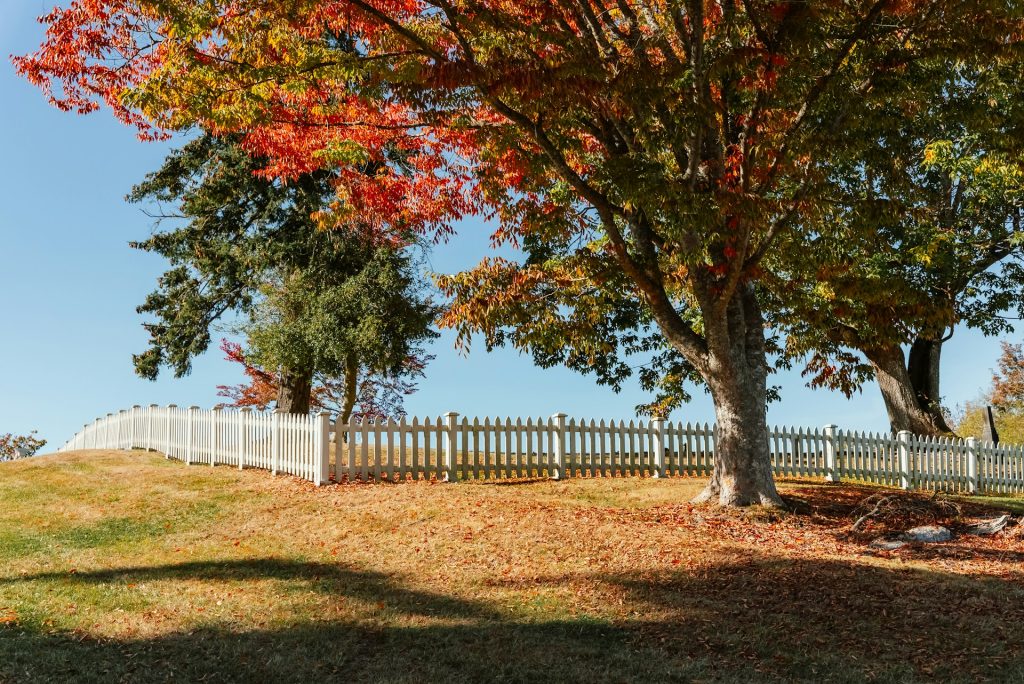
Clear Fence Lines Without Sacrificing Healthy Soil
Clearing a fence line in Central Florida is not just about cutting back thick brush. It is also about keeping your soil in good shape so you are not fighting erosion, washouts, and bare patches month after month. Many property owners want clear, secure boundaries, but they do not want to tear up the ground to get there.
At Palm State Clear Cut, we work with these goals every day. Fence lines around homes, small farms, and commercial yards get overgrown fast here. We focus on methods that keep your soil stable while still giving you a wide, safe corridor along your fence. In this article, we will explain why growth happens so quickly, which clearing methods protect your soil, what a step-by-step process looks like for brush clearing in Brevard County and nearby areas, and how smart clearing can support long-term property value.
Why Central Florida Fence Lines Overgrow So Quickly
Central Florida gives plants almost everything they like all year long. Warm temperatures, high humidity, and regular rain help brush and vines explode along fences. Once growth starts, it takes very little time for it to get thick.
Common problems from this fast growth include:
- Vines and brush hiding loose or broken fence sections
- Roots pushing over fence posts or warping wire
- Tall palmetto and scrub creating dry fuel for fire
- Heavy cover giving snakes, wasps, and pests a perfect hiding place
Many owners notice it most around homes, barns, pasture fences, and commercial yards. Fences that were clear not long ago can suddenly be lost in green walls of brush.
Spring and early summer are smart times to walk and inspect your fence lines. You get:
- Longer daylight to see problem spots
- A chance to clear before hurricane season brings strong winds and falling limbs
- Time to deal with dead branches and loose trees before they end up on your fence
When you plan clearing before storms and heavy afternoon rain pick up, you help protect both your fence and the soil around it.
Soil-Friendly Fence Line Clearing Methods That Work
Not all land clearing methods treat your soil the same way. Traditional clearing often uses big machines to push, dig, and rip out roots. This can leave bare dirt, deep ruts, and low spots that collect water.
More aggressive methods can lead to:
- Exposed topsoil that washes away in heavy rain
- Uneven ground and standing water along the fence
- Extra grading work later to smooth and repair damage
Forestry mulching works differently. With this method, a single machine cuts and grinds brush, small trees, and vines where they stand. The material is turned into mulch and spread right on the ground.
Forestry mulching helps protect soil because:
- Many roots stay in place, which helps hold soil and reduce erosion
- The mulch layer shades the soil from direct sun and pounding rain
- Moisture stays in the ground longer under the mulch
- Over time, the mulch breaks down and adds organic matter to the topsoil
There are spots where limited cut and haul is a good choice. For example, a high-profile fence along a driveway, entrance, or commercial frontage may need a cleaner, more open look. In those areas, we may:
- Cut select trees or logs that are too large to mulch cleanly
- Haul away bulky debris that would crowd the fence line
- Keep machines shallow to avoid deep digging or scraping
The goal is always the same: clear the corridor and protect the soil, not strip it.
Step-by-Step Process for Brush Clearing in Brevard County
A careful plan helps keep your fence line clear and your ground stable. Here is how we typically approach a fence-line project.
First, we walk the site and plan:
- Check the current condition of the fence and how thick the overgrowth is
- Note soil type, slope, and any areas that already collect water
- Look for buildings, gates, driveways, and utilities near the fence
- Mark trees or plants you want to keep and problem roots that are hurting the fence
Next, we move into clearing and mulching:
- Use compact, low-impact machines that can travel along the fence without deep ruts
- Work in a set-width corridor, often around 10 to 15 feet, depending on the property
- Mulch dense brush, palmetto, small scrub oak, and vines right where they stand
- Create a mulch buffer along the fence so soil is covered and easier to maintain
Then we handle cleanup and final checks:
- Cut or reposition larger logs and stumps that cannot be mulched safely
- Smooth out minor ruts or disturbed areas so water drains away from the fence
- Check that gates open and close freely and that fence lines are visible from both sides
- Confirm that the soil feels firm and stable, not loose and torn up
This step-by-step approach keeps the project organized and helps protect the ground at each stage.
Protecting Your Soil While Improving Property Value
Healthy soil and a clean fence line work together. Keeping roots in place and covering the ground with mulch helps stop washouts, even during intense summer downpours. Water can move along the surface instead of ripping away bare dirt.
When fence lines are cleared with care, you also gain:
- Better visibility for livestock and pets, which lowers the risk of injury
- Clear sightlines for security cameras and patrols along commercial perimeters
- Less dry fuel sitting close to buildings and fences during windy days
Over time, a managed, mulched fence corridor can save you money and effort. Many owners find that:
- They spend less time on constant mowing along the fence
- Future touch-up work is lighter because regrowth is easier to control
- Clean, visible boundaries add to curb appeal for homes, ranchettes, and commercial sites
Instead of facing a full brush jungle every few years, you are maintaining a clear strip that is already organized and soil-safe.
Real Fence Line Projects and Common Central Florida Questions
Fence-line needs can look very different from one property to the next, but the soil-friendly approach stays the same.
On rural acreage, thick palmetto and scrub oak often swallow boundary fences. By using forestry mulching to open a 10- to 15-foot path, we can restore access for walking, driving, and repairs, while leaving the topsoil in place. The mulch layer takes the place of bare dirt, so stormwater has less chance to cut channels along the fence.
On small farms or horse properties, vines, saplings, and hidden wire can put animals at risk. Clearing brush along pasture fences improves visibility, keeps hooves away from hidden hazards, and prevents soft sandy soil from washing out around posts after strong rain. Animals stay safer, and owners can patrol fences quickly.
Around commercial or HOA perimeters, fence lines often run beside drainage ditches or easements. Here, the focus is on clearing brush without blocking water flow or creating areas that need costly regrading later. Careful brush clearing in Brevard County and nearby communities keeps drainage working while also opening up the fence for inspections and security.
We also hear the same core questions again and again:
- What does land clearing include?
Land clearing can include removing brush and small trees, forestry mulching, selective clearing around fences and structures, debris hauling, and light grading where it is needed. For fence lines, the focus is usually on creating a safe, clear corridor while keeping healthy trees and protecting soil.
- What is forestry mulching and how does it work?
Forestry mulching uses a single machine to cut, grind, and spread vegetation into mulch on the spot. There are no large burn piles, fewer machines on site, and the soil is left mostly undisturbed with instant cover.
- How much does land clearing cost in Central Florida?
Costs depend on how thick the vegetation is, how many trees must be handled, the terrain and access points, and whether debris needs to be hauled away. Fence line work is often figured by linear footage or by the day, so an on-site visit is the best way to understand the budget.
- Do I need a permit for land clearing?
Permit rules change from county to county and can depend on zoning, wetlands, lot size, and how many trees are removed. Many property owners find it helpful to talk through local rules ahead of time so there are no surprises.
- How long does a clearing project take?
Many fence line projects finish in a day or two, while larger acreage or multiple long fence runs can take several days. Weather, property access, and how heavy the overgrowth is will all affect the schedule, which is why planning before peak rainy and storm periods is a smart move.
By choosing soil-safe methods and good timing, you can keep your Central Florida fence lines clear, stable, and ready for whatever the next season brings. Palm State Clear Cut is here to help property owners in Brevard County and surrounding areas make that happen with care for both your fence and your soil.
Get Started With Your Project Today
If you are ready to reclaim overgrown land and improve your property’s usability, we are here to help. At Palm State Clear Cut, our team provides professional brush clearing in Brevard County tailored to your specific site conditions and goals. We will walk your property with you, explain your options, and deliver a clear, workable plan so you know exactly what to expect. Reach out today so we can schedule your on-site assessment and move your project forward.