Turn Your Overgrown Lot Into Usable Backyard Space
An overgrown backyard can make your whole property feel smaller than it really is. Thick palmettos, scrub, vines, and volunteer trees can take over fast in Central Florida, leaving you with space you cannot safely use or even walk through. Many homeowners see that mess and feel stuck, but that land still has a lot of potential.
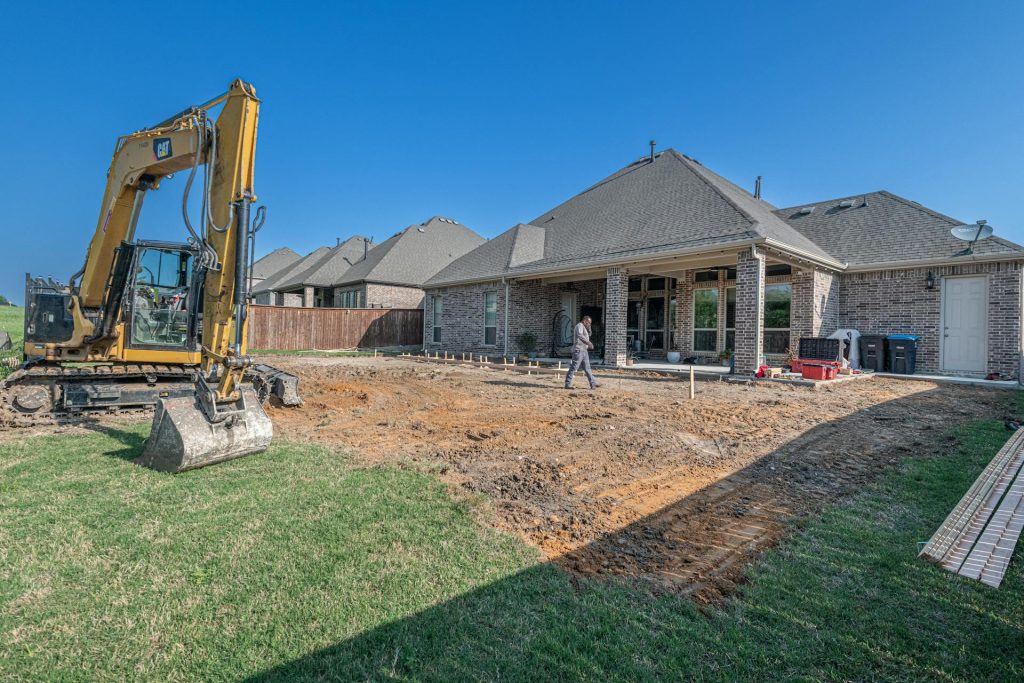
With the right land clearing, that wild corner of your lot can turn into room for a pool, a shed, a play area, a garden, or a quiet outdoor sitting space. Residential land clearing in Brevard and nearby counties is often the first step before any good backyard project. When it is done well, it opens up options without tearing up the whole yard.
We work in Central Florida soils and conditions every day, so we understand how to clear lots in a way that respects your home, your neighbors, and the way water moves through your property. The goal is simple: remove what you do not want, protect what you do want, and leave you with a clean, usable space for your next project.
Why Central Florida Lots Become So Overgrown
Central Florida gives plants nearly everything they want. We have a long growing season, heavy summer rains, lots of sun, and mild winters that do not slow growth much. That is why palmettos, scrub, vines, and invasive plants can fill in a space faster than you expect.
On many residential lots, especially ones that were never fully cleared, you often see:
- Dense underbrush that makes it hard to walk
- Uneven ground hidden under tall grass and weeds
- Old stumps and roots ready to trip you or catch mower blades
- Random debris, old fencing, or piles of limbs mixed into the growth
All of this makes DIY clearing risky. You cannot see the ground, tools can hit rocks or hidden metal, and it is easy to twist an ankle or damage equipment.
Overgrowth can lead to real problems for homeowners, such as:
- More pests and snakes using the cover
- Dry fuel that can raise fire risk in rain-free stretches
- Drainage issues when thick roots and debris block water flow
- Confusion about property lines when you cannot see fences or markers
- Lower curb appeal and less interest from future buyers
Cleaning up that mess does more than make things look nice. It makes your yard safer and easier to care for, and it sets the stage for any backyard projects you have in mind.
Smart Residential Land Clearing in Brevard for Backyard Projects
For typical backyard projects, residential land clearing in Brevard often includes several parts. Each yard is different, but many jobs involve a mix of:
- Brush and undergrowth removal
- Selective tree removal when trees are too close to structures or planned projects
- Stump handling, either grinding, cutting flush, or planning around them
- Taking down small, unwanted structures like old sheds or rotted decks
- Processing debris by mulching, stacking, or hauling offsite
Homeowners usually have clear goals, even if the lot is not clear yet. Common plans include:
- Space for a pool or patio for summer gatherings
- Room for an RV or boat parking pad
- An accessory dwelling unit or backyard office in the future
- A dedicated play area that is easy to see from the house
- A simple, clean lawn that is low maintenance
Local experience helps a lot with these projects. Many Brevard County neighborhoods have similar lot sizes, tight side yards, and shared fences. We plan equipment access to protect driveways, work carefully near existing homes and sheds, and stay aware of how our work fits with what other contractors, like pool builders or concrete crews, will need later.
Forestry Mulching vs. Traditional Clearing Methods
Forestry mulching is a popular option for backyard clearing because it handles thick growth in a clean, simple way. A machine with a special mulching attachment moves through the overgrown area and cuts and grinds brush, small trees, and vines into mulch right on the ground. The roots usually stay in place, which helps keep soil from washing away.
Compared to older, more aggressive methods, forestry mulching often means:
- Less soil disturbance and fewer deep ruts
- No huge brush piles sitting on the property
- Fewer dump truck trips for hauling
- A more natural finish, with mulch that can stay or be part of future landscaping
Traditional land clearing methods use chainsaws, excavators, or bulldozers to pull or push material out, then load it for hauling or pile it for later. That style is still useful when:
- There are large trees that need full removal
- You need a building pad that will be graded and compacted
- Old structures, heavy debris, or big stumps must be removed from the site
Often, the best plan is a mix. Forestry mulching is great for overgrown backyards, tree lines, and light woods, while more traditional clearing is better for spots where a house, garage, or large concrete pad will sit.
How the Land Clearing Process Works
Good results start long before the first tree comes out. A typical process looks like this.
First is site evaluation and planning. We visit the property to:
- Walk the lot with you and talk about your goals
- Mark trees or plants you want to keep
- Look for utilities, septic systems, and property lines
- Note low spots or drainage paths that need to stay open
Next comes clearing and preparation. On workday, we:
- Bring in the right equipment for your lot and access
- Create safe access paths if the lot is very thick
- Remove unwanted brush, palmettos, scrub, and select trees
- Perform forestry mulching or traditional clearing based on the plan
- Do rough grading if needed to help water flow away from the house
Finally, we handle cleanup and set you up for next steps. That can include:
- Smoothing travel paths so you can walk and drive safely
- Spreading or managing mulch layers or organizing debris piles
- Making sure pool builders, concrete crews, or landscapers can get in easily
- Explaining how the ground may settle over the next few months and what to expect
Timing, Seasons, Budgeting, and Common Questions
Many homeowners start backyard projects in late spring and summer when days are long and outdoor time is a priority. In Central Florida, we also think about:
- Summer storms that can affect scheduling
- Hurricane season, which may delay work on some lots
- Soil conditions when the ground is very wet or very dry
Costs for residential land clearing in Brevard depend on several details, like:
- Size of the area to clear
- Thickness and type of vegetation
- Number and size of trees
- Access for equipment from the street or driveway
- Amount of debris, old structures, or trash mixed in
Here are answers to common questions we hear from local homeowners.
What does land clearing include?
Standard clearing usually covers brush and undergrowth removal, selective tree removal, and stump handling options. Debris can be mulched on site, stacked for later, or hauled away. Basic grading is often available when you need a more level area, but fine grading for a construction pad or extensive tree work is usually considered extra services.
What is forestry mulching and how does it work?
Forestry mulching uses a heavy machine with a mulching head to cut and grind vegetation in one pass, turning it into a mulch layer on the ground. This mulch helps control erosion, keeps soil shaded, and can slow down new growth. Homeowners like that there are no big burn piles, fewer trucks moving in and out, and a natural look that can stay or be shaped later.
How much does land clearing cost in Central Florida?
There is no one-size price, because every lot is different. Acreage, plant density, terrain, access, and the amount of debris or haul-off all affect the final number. We prefer to walk the site to give a clear, honest estimate so you know what is included and are not surprised by add-ons.
Do I need a permit for land clearing?
Some residential land clearing in Brevard and nearby counties may need permits, especially when large trees are involved, wetlands might be present, or new structures will be built. Rules can vary by area, so it is important to check local guidelines. We help homeowners understand what local offices may require and can work in line with county rules.
How long does a clearing project take?
Many small backyard projects take around a day or two of active work. Larger or very overgrown lots can take a few days, especially when there is a lot of debris, grading, or tree removal involved. Weather, equipment availability, and timing with other contractors can affect the schedule, so it helps to plan your clearing before your pool, patio, or building work starts.
Get Started With Your Project Today
If you are ready to clear your lot safely and efficiently, our team at Palm State Clear Cut is here to help. From brush removal to full site preparation, we tailor our residential land clearing in Brevard to fit your property and project timeline. Reach out to our crew today so we can review your goals, assess your land, and provide a clear, straightforward plan to move your project forward.